
Image 1 of 5
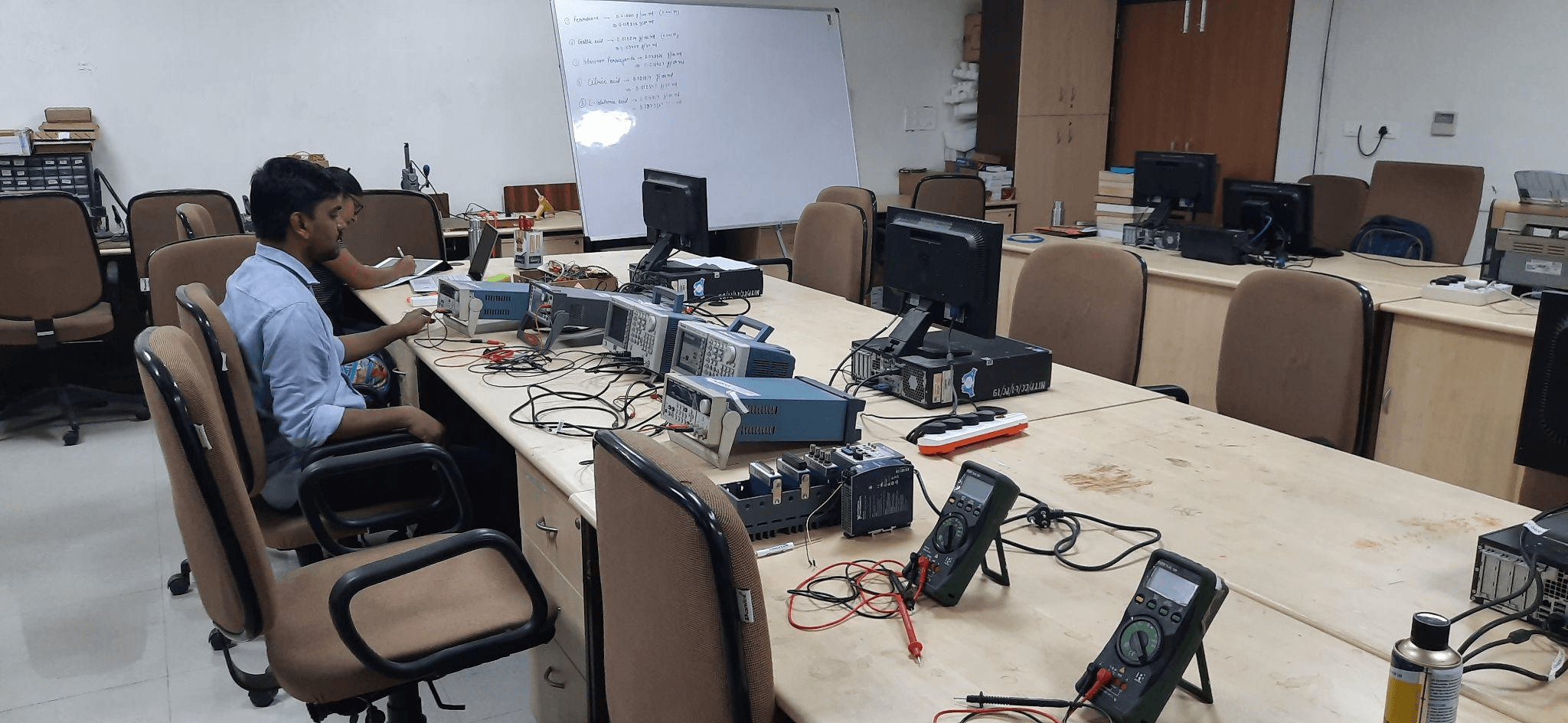
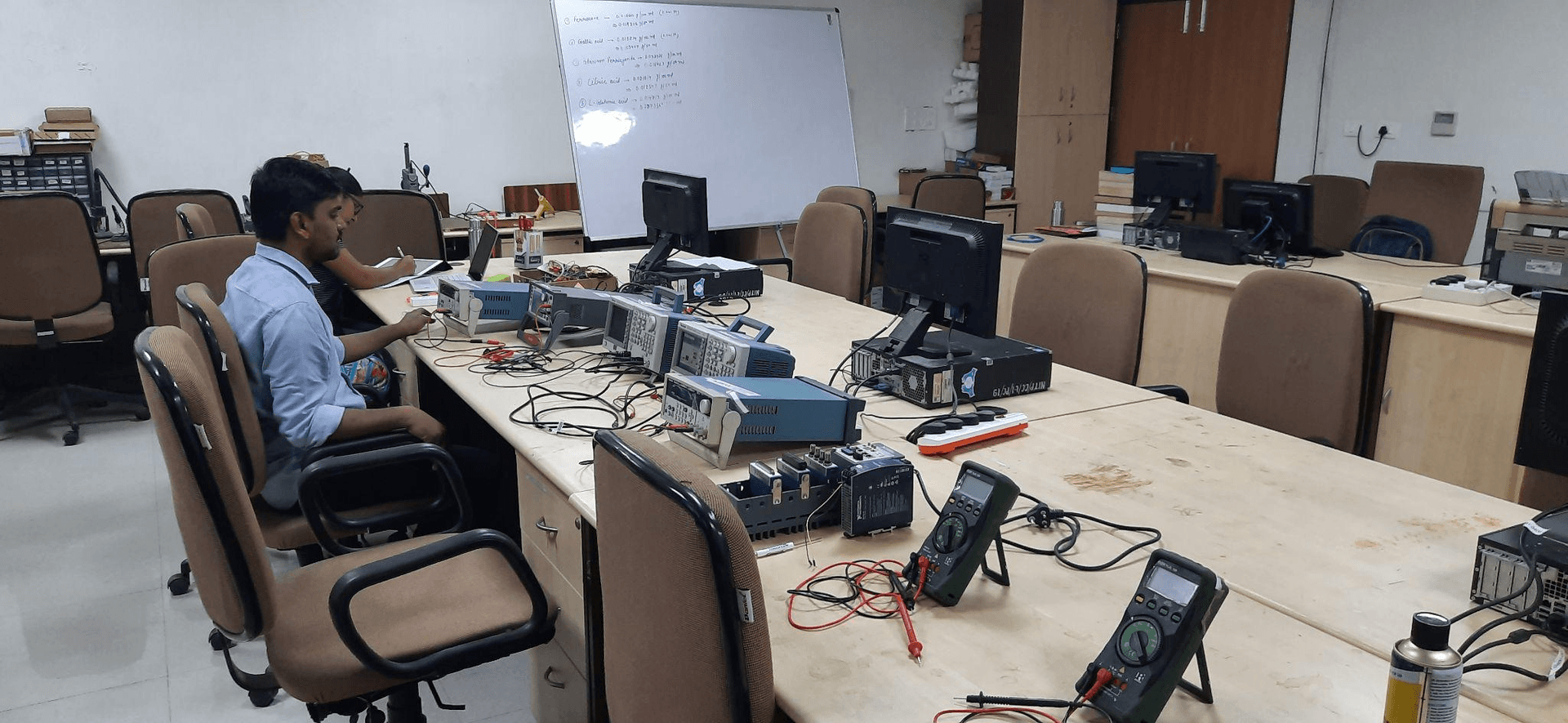
The Advanced Instrumentation Laboratory supports postgraduate coursework and research in computer-based instrumentation, data acquisition, and signal processing using LabVIEW. It is equipped with National Instruments DAQ cards and a wide range of test and measurement instruments for signal generation, acquisition, and analysis. The lab also serves as a research facility for developing advanced measurement systems, such as portable electronic tongues for quality assessment and general-purpose potentiostats.
The Electrical Measurement and Instrumentation Laboratory provides comprehensive practical knowledge of electrical measurement techniques, instrumentation systems, bridge circuits, transducers, sensors, and calibration methods. Students perform experiments to measure various electrical parameters using both conventional bridge methods and modern electronic instrumentation like DSOs, CROs, and LVDT-based systems. It helps students bridge theoretical concepts with hands-on experimentation, preparing them for careers in industrial automation and advanced research.
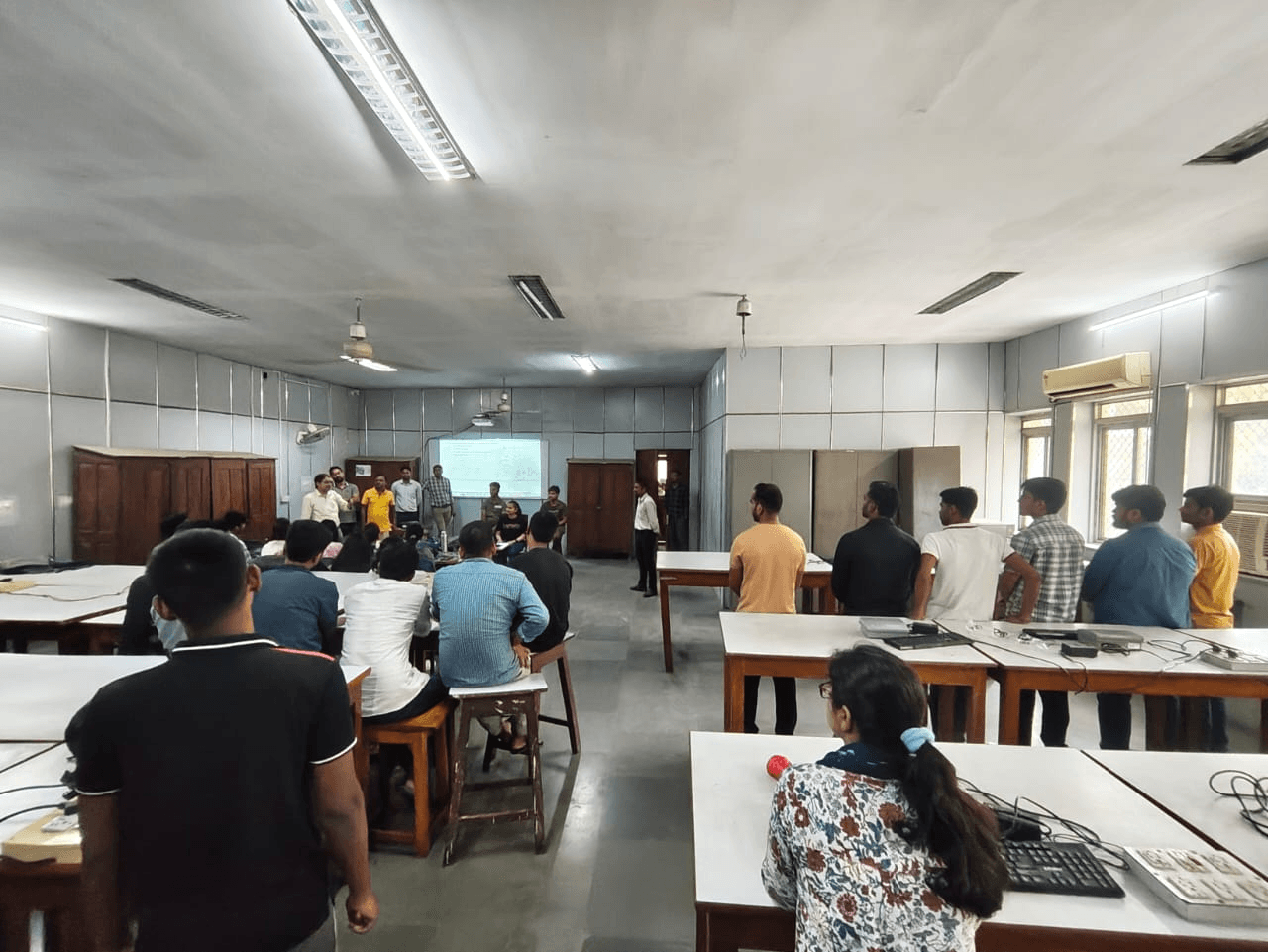
The Elements of Electrical Engineering Lab is an introductory laboratory course that builds the foundation of electrical engineering for first-semester students. It familiarizes students with basic components such as resistors, capacitors, and inductors, along with AC and DC supply systems. Students are trained to use common measuring instruments like voltmeters, ammeters, wattmeters, and CROs for practical observation. Through experiments on circuit laws, electrical measurements, and machine basics, students learn how electrical quantities behave in real systems, bridging theoretical concepts with application.
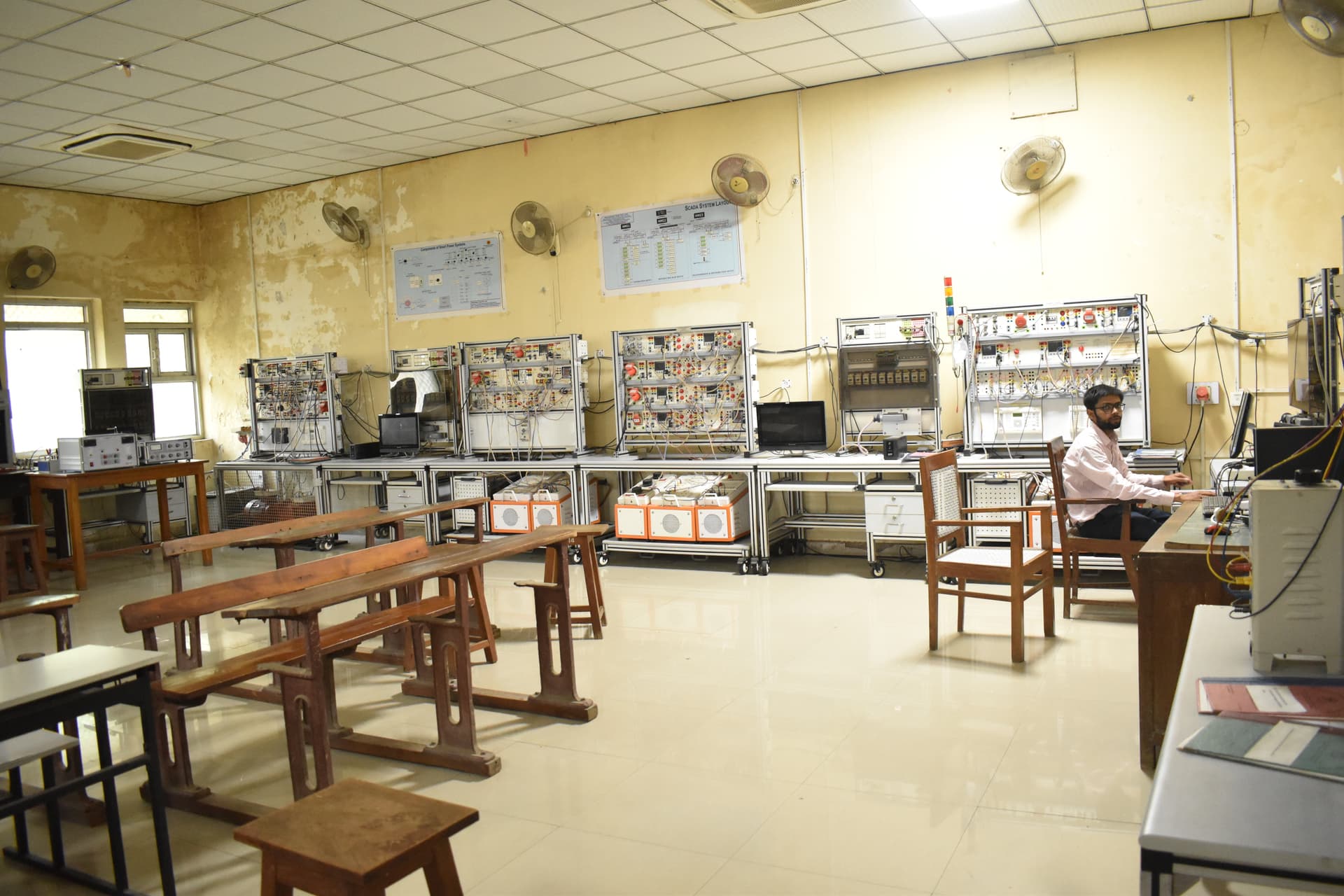
The Industrial Drives and Control Laboratory gives students hands-on experience with industrial motor drives and their control systems. It supports experiments related to AC and DC motor drives, thyristor-based control, chopper-fed DC motors, inverter-fed induction motors, V/f control, and braking methods. Outfitted with modern training setups such as PC/PLC-based drive systems and simulation tools, it helps students connect classroom theory with industrial practice.
The Microprocessor and Microcontroller Laboratory is equipped with trainer kits, breadboard-based experimental setups, and peripheral interface modules that enable students to gain hands-on experience in programming and interfacing. Students perform experiments on the 8086 microprocessor and 8051 microcontroller using assembly language and C programming. The facility emphasizes bare-metal hardware programming, empowering students to develop practical skills in hardware implementation and low-level software design.
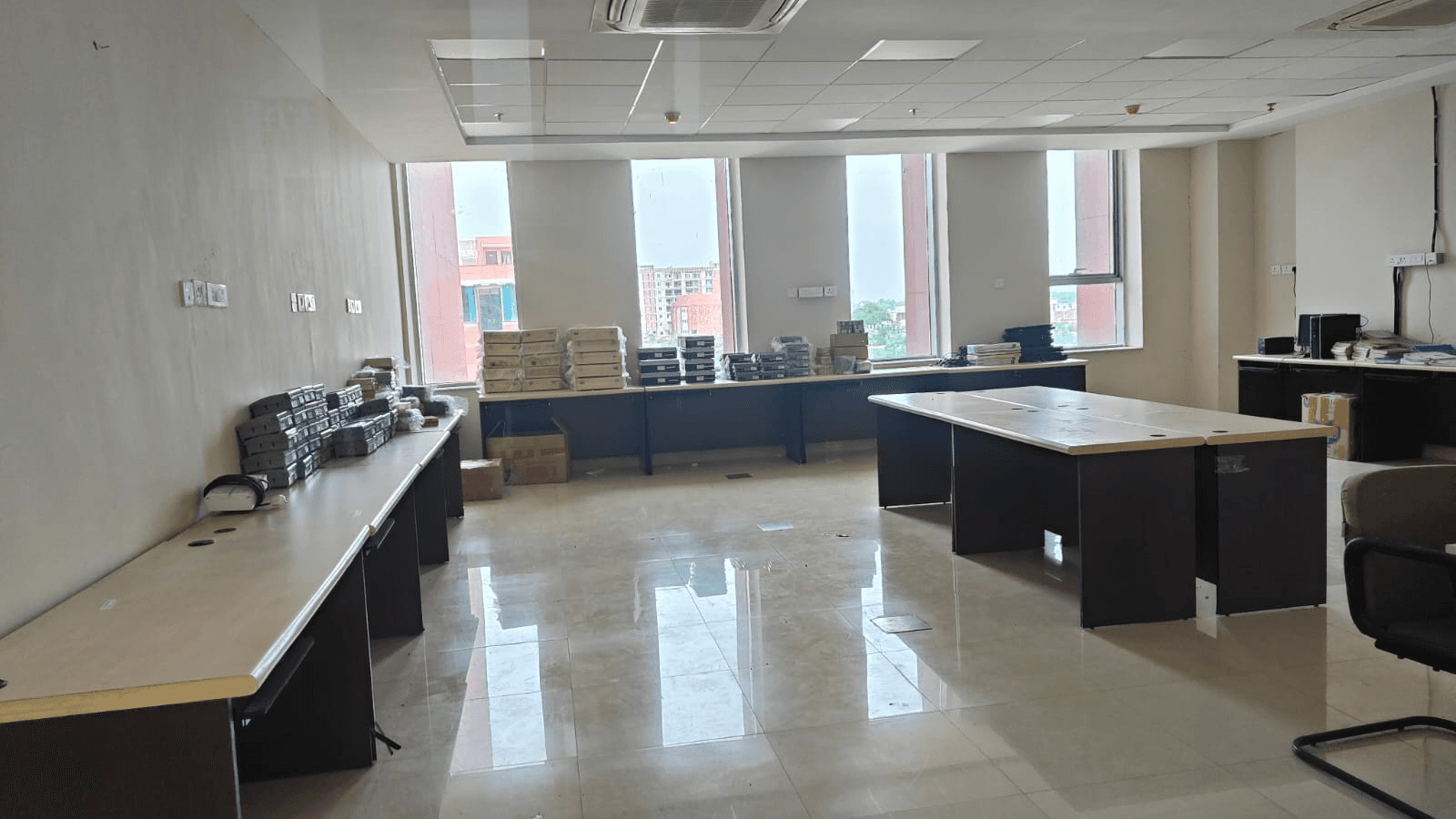
The Power System Protection (PSP) Laboratory provides hands-on training and practical exposure to various power system protection schemes. It houses dedicated hardware training setups for studying CT characteristics, directional overcurrent relay characteristics, transmission line distance protection, and differential protection. The laboratory is also equipped with modern numerical relays and simulation platforms, allowing students to study, analyze, and test different protection techniques comprehensively.
The Power System Engineering Laboratory integrates advanced simulation platforms with hands-on experimental hardware, providing practical exposure to modern electrical power systems. Equipped with industry-standard software like PowerWorld Simulator and MATLAB/Simulink, it allows students to study power flow, fault analysis, voltage stability, and renewable energy integration. The lab also features various hardware setups to validate theoretical models, preparing students for careers in power utilities and research.
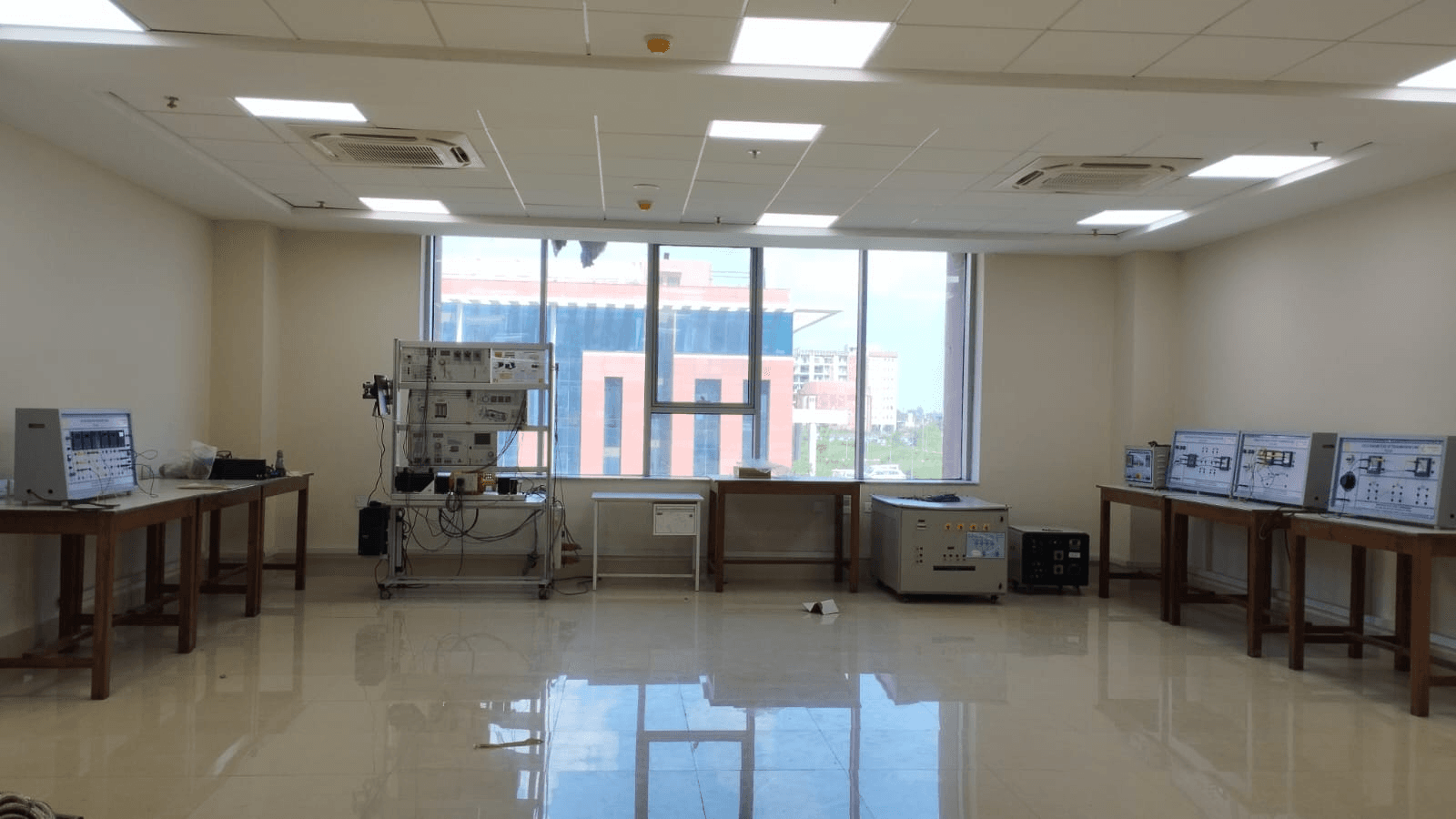
The Power Electronics Laboratory is a dedicated teaching and research facility for the study of power semiconductor devices, converters, and drive systems. It provides students with hands-on exposure to device characterization, controlled power conversion circuits, and motor drive control techniques. The lab also actively supports advanced project work and research in areas like renewable-energy interfacing and power quality improvement.
Students learn about different types of electrical machines, their construction, operation, and performance characteristics through experiments and demonstrations.
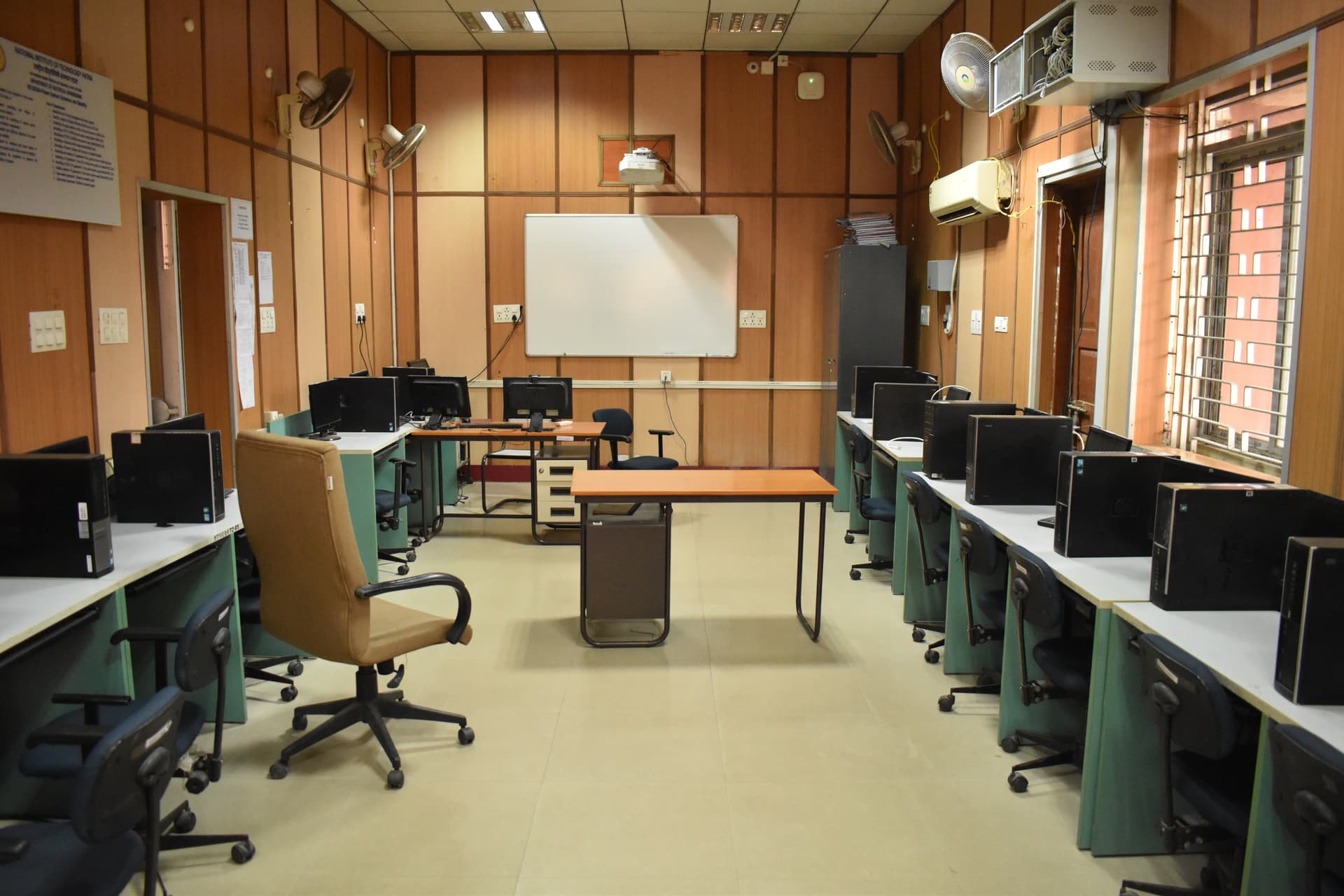
The computer lab is equipped for simulation, analysis, and design of electrical systems using specialized software tools.
This lab helps students understand network theorems, circuit analysis, and synthesis through practical experiments.
Experiments in this lab involve modeling, analysis, and design of control systems using hardware and simulation tools.
This lab provides facilities for testing and studying high voltage phenomena, insulation, and breakdown mechanisms.
Supervisory Control and Data Acquisition (SCADA) systems are studied and implemented for monitoring and controlling electrical networks.